
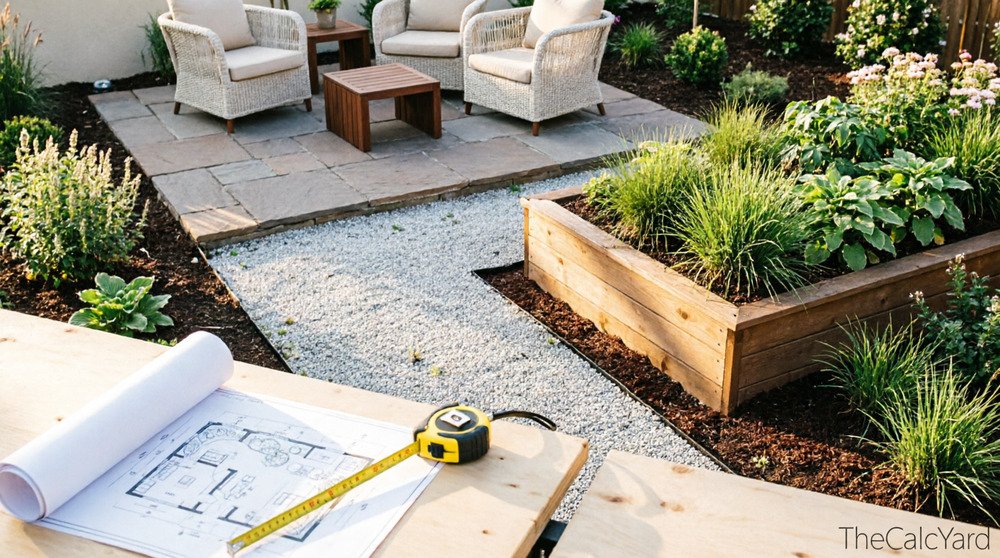
The best backyard landscaping ideas do not require an unlimited budget or a professional designer. What they do require is a clear plan that matches your space, your climate, and how you actually want to use the yard. Whether you are working with a compact urban lot, a sloped suburban property, or a wide-open lawn, the right combination of plants, hardscaping, and functional zones can transform an ordinary backyard into a space you use every day.
This guide covers practical backyard landscape ideas for every priority: small spaces, tight budgets, low maintenance, fire pit gathering areas, deck integration, and grass-free designs. It also includes step-by-step planning guidance, realistic cost ranges, material calculations, and the common mistakes that waste money and time.
How to Plan Your Backyard Landscaping
Before you buy a single plant or bag of mulch, assess what you have and what you need. A few hours of planning will prevent costly errors like installing a patio in a drainage path or planting sun-loving flowers in full shade.
Measure and map your space
Record the length and width of your backyard. Note the location of existing features you want to keep, such as mature trees, patios, decks, sheds, and fences. Mark utility lines, gates, and areas where water collects after rain. In the United States, call 811 before you dig to have underground utilities marked. This is a free service, and skipping it can lead to dangerous and expensive damage.
Observe sunlight and drainage
Walk through your yard at different times of day. Note which areas receive full sun (six or more hours), partial shade (three to six hours), or full shade (less than three hours). Check where water flows during a heavy rain. Low spots that stay soggy may need drainage correction before you install patios or planting beds.
Define your priorities
Trying to fit a fire pit, vegetable garden, play lawn, dining patio, and privacy hedge into a small yard will make every area feel cramped. Choose two or three priorities and design around them. A family with young children may need open lawn and shade. Someone who entertains may prioritize a patio with seating and lighting. A gardener may want raised beds and pollinator-friendly borders.
Set a realistic budget
Separate your plans into essentials and optional upgrades. Drainage corrections, safe walking surfaces, and necessary soil preparation should take priority over decorative features. You can complete most backyard projects in phases: establish the layout and hardscape first, add planting beds next, and install lighting or a fire pit later.
Backyard Landscaping Ideas by Priority
Small backyard landscaping ideas
A small yard demands efficiency. Every square foot should earn its place.
Create vertical growing space. Wall-mounted planters, sturdy trellises, or vertical growing systems add greenery without consuming ground area. Herbs, compact flowers, and climbing plants like clematis or jasmine work well. Secure the structure to handle the weight of wet soil, and verify that the wall material tolerates moisture.
Install narrow border beds. A slim planting bed along a fence adds color and texture without sacrificing the center of the yard. Combine compact shrubs with perennials suited to the available sunlight. Check mature plant widths and leave enough room for mowing, walking, and fence maintenance.
Use multifunctional furniture. A storage bench, folding dining set, or built-in seat serves more than one purpose. Measure the furniture and its required clearance before committing to a patio size. A dining set typically needs at least 10 feet by 10 feet to allow chairs to slide back comfortably.
Group coordinated containers. Arrange pots in related colors and varying heights to create a deliberate display. Containers dry out faster than garden soil, so plan for regular watering and ensure every pot has drainage holes.
Add a compact raised bed. A raised bed defines a vegetable or ornamental area while making the layout easier to manage. Keep it against a boundary if the central area needs to remain open. A bed no more than four feet wide allows most adults to reach the center from either side.
Backyard landscaping ideas without grass
Removing some or all of a lawn reduces mowing, but the replacement material determines how much maintenance remains.
Replace lawn with suitable groundcovers. Low-growing plants like creeping thyme, sedum, or native violets can create a green surface between trees and paths. Select varieties based on sunlight, soil moisture, climate, and foot traffic tolerance. Verify that a species is not invasive in your region. Groundcovers still require watering and weed control during establishment.
Design a gravel garden. Gravel works well for informal seating areas, dry-climate planting schemes, and selected paths. Pair it with sturdy edging and clustered plants rather than spreading loose stone indiscriminately. Prepare a stable base, plan for runoff, and account for weeds, leaf removal, and stone migration.
Expand mulched planting areas. Replace selected lawn sections with planted beds covered in organic mulch. This simplifies awkward mowing edges and helps retain soil moisture. Mulch decomposes and needs replenishing every one to two years. Avoid piling it against stems, trunks, or building siding.
Use permeable paving. Permeable pavers allow water to move through designed joints and a suitable base. They work well for some patios and paths when properly installed for local soil and rainfall. Permeability depends on the full system, not just the paver surface. Poor soil drainage or improper grading can still cause problems.
Mix hardscape with planted zones. Instead of choosing between a fully paved yard and a fully planted one, combine a small patio, a defined path, and planted borders. This preserves usable space while maintaining a softer garden appearance.
Low maintenance backyard landscaping ideas
Plant regionally appropriate species. Plants suited to local conditions need less intervention once established. Native plants can also support local wildlife when chosen for the region and site. Confirm mature size, watering needs, and invasive potential with your state cooperative extension service or a trusted regional plant database.
Group plants by water needs. Place plants with similar irrigation requirements together. This makes watering easier and prevents moisture-loving plants from sharing a dry bed with species that prefer drier soil. Grouping by water needs is useful, but it does not remove the need to consider sunlight, soil, and drainage.
Install durable edging. Metal, stone, or concrete edging separates planting beds from lawn or gravel. Clear boundaries make the design look tidy and simplify routine maintenance. Choose edging that suits your soil, climate, equipment, and bed shape.
Reduce unnecessary lawn. The less turf you maintain, the less mowing, watering, and fertilizing you perform. Replace peripheral lawn areas with groundcovers, mulch, or gravel.
Backyard landscaping ideas on a budget
The cheapest way to improve a backyard is usually to work with the existing layout and make targeted improvements before paying for major construction.
Refresh what you already have. Clean an existing patio, remove weeds, prune overgrown plants appropriately, refresh tired containers, and repair loose edging before buying new features. These small changes can make the entire layout feel more deliberate.
Build the garden in phases. Start with one well-defined border or seating corner rather than renovating everything at once. Plan the eventual layout from the beginning so future additions use compatible materials and do not require removing completed work.
Buy materials in bulk. Mulch, gravel, soil, and compost are significantly cheaper per unit when purchased in bulk from a landscape supply yard than in bags from a home improvement store. For small quantities, bagged material may still make sense, but for projects covering more than a few hundred square feet, bulk delivery usually saves money.
Use free or low-cost amendments. Start a compost bin with kitchen scraps, leaves, and eggshells instead of buying commercial fertilizer. Use cardboard as a weed barrier under mulch instead of landscape fabric in ornamental beds.
Propagate your own plants. Divide established perennials to spread them around the yard, or take cuttings from friends and neighbors. Many popular perennials, including hostas, daylilies, and ornamental grasses, divide easily.
Backyard fire pit ideas and landscaping
A fire pit can become the focal point of a backyard, but its position should be decided before surrounding plants, seating, and paths are installed.
Plan a stable seating area. Create a level, stable surface suitable for the fire pit model. Arrange chairs in a circle or gentle arc so people can gather without blocking the main walking route. Gravel or suitable pavers may work for some installations, but the base and surface must meet the manufacturer’s requirements and local rules.
Follow clearance requirements. Keep dry vegetation, combustible mulch, furniture, and overhanging branches away from the flame according to the manufacturer’s instructions and applicable building codes. Do not assume that one universal distance works for every fire pit. Gas installations and permanent fire features may require permits and qualified professionals.
Consider smoke and wind. Before fixing the layout, observe prevailing winds and think about smoke drifting toward the house, neighbors, or seating. Avoid low areas where water collects.
Connect the fire pit to the patio. A path linking the house, patio, and fire pit makes a larger yard easier to navigate. Use restrained planting and low-glare lighting to define the route.
Backyard landscaping ideas with a deck
A deck is more attractive and practical when it connects naturally with the rest of the backyard.
Frame the deck with planting. Use low-growing plants near the deck edge and taller plants farther away to create a gradual transition. Choose species that tolerate the available sun and do not obstruct steps, ventilation, or maintenance access. Avoid piling soil or mulch against wood, blocking drainage openings, or disturbing the deck’s foundations.
Add privacy without closing off the space. A trellis with a suitable climbing plant or a carefully spaced row of shrubs can screen an exposed seating area. Consider the plants’ mature size and growth rate. For a compact deck, movable containers provide seasonal flexibility. Check the deck’s load capacity before adding heavy planters or masonry features.
Connect the deck to the garden. Use a consistent paving material, a defined path, or repeated plant varieties to connect the deck with surrounding beds. Keep the route to the lawn, shed, or gate clear.
Backyard Landscaping Options Compared
| Option | Routine Maintenance | Main Advantages | Trade-Offs |
|---|
| Natural lawn | Regular mowing, watering as needed, seasonal care | Open play and recreation space | Mowing and irrigation requirements |
| Groundcovers | Weeding and establishment care | Green coverage and texture | Species-specific spreading and traffic tolerance |
| Mulched beds | Weed control and mulch replenishment | Flexible, relatively simple planting areas | Mulch decomposes and can wash away |
| Gravel | Weed removal and occasional leveling | Durable in suitable paths and seating areas | Can heat up, migrate, or be difficult for wheels |
| Pavers | Joint and surface maintenance | Defined, durable walking or seating surface | Base preparation and drainage matter |
| Artificial turf | Cleaning and occasional repairs | Green appearance without mowing | Upfront expense, heat, drainage, and eventual replacement |
No single option is best for every property. A combination of materials often offers a better balance of usability, cost, appearance, and maintenance.
Budget-Friendly Projects and Estimated Costs
The following are broad U.S. planning estimates for 2026, not quotes. Material prices vary by region, delivery distance, quality, and project size. Professional installation can cost substantially more than DIY work.
| Project | Approximate DIY Budget | DIY Difficulty |
|---|
| Refresh existing containers | $30 to $150 | Easy |
| Mulch a 100-square-foot bed | $20 to $60 for mulch, before delivery and tools | Easy |
| Create a small planting bed | $100 to $400 for basic materials and plants | Easy to moderate |
| Build a simple gravel path | $150 to $600 for a small project | Moderate |
| Install a small paver seating area | $500 to $2,000 for a modest DIY project | Moderate to advanced |
| Professional landscaping (broad range) | $1,248 to $6,069 | Varies |
These DIY ranges are illustrative budgeting allowances, not verified national averages. The gravel path and planting bed figures assume modest dimensions, basic materials, and manageable site conditions. They exclude unusual excavation, drainage repairs, major tool rentals, and significant delivery charges. The professional range reflects reported national benchmarks for landscaping projects, not the cost of every backyard renovation.
What affects the total cost
Site preparation: Removing old lawn, roots, rubble, or unwanted structures adds labor and disposal costs.
Materials: Natural stone, specialty pavers, large trees, and premium decking generally cost more than basic alternatives.
Delivery: Bulk soil, gravel, and mulch can be economical per unit but expensive to transport in small quantities.
Labor and tools: DIY work reduces labor expenses, but rentals, protective equipment, and mistakes still cost money.
Drainage and grading: Correcting water flow can be more important than adding decorative features.
Permits and specialists: Retaining walls, permanent gas features, electrical installations, and structural work may need professional assistance or approval.
DIY Backyard Landscaping Projects
How to create a small garden bed
Materials and tools: Measuring tape, garden hose or marking paint, spade, suitable plants, compost or soil amendments if needed, and mulch.
- Mark the outline and measure the bed.
- Check sunlight, soil conditions, and drainage.
- Remove grass and persistent weeds.
- Arrange plants while they are still in their pots.
- Plant at the recommended depth and spacing.
- Water thoroughly and apply an appropriate mulch layer.
Avoid: Planting too close together or covering plant crowns with excessive mulch. Always check underground utilities before digging.
To calculate exactly how much mulch or soil you need, use the formula: length in feet multiplied by width in feet multiplied by depth in inches, divided by 324. The result is cubic yards. Add 10 percent for waste and uneven coverage. You can also use TheCalcYard’s Cubic Yard Calculator to run the numbers instantly.
How to install a simple gravel path
Materials and tools: Measuring tape, marking materials, suitable edging, shovel, rake, compaction equipment as needed, and appropriate gravel.
- Mark the route and check the slope.
- Confirm underground utilities before excavation.
- Prepare a stable, properly drained base.
- Install edging to contain the gravel.
- Add and compact the specified materials.
- Check the finished surface for stability and comfortable access.
Avoid: Placing loose gravel directly over soft soil and assuming it will remain level. Paths requiring accessibility, substantial grading, or complicated drainage may need professional design.
For gravel-specific projects, TheCalcYard’s Gravel Calculator can estimate volume, weight, and coverage area for driveways, walkways, and garden paths.
Backyard Landscaping Trends for 2026
Current industry and homeowner research points toward more functional outdoor spaces, lower-maintenance planting, and greater interest in plants selected for local conditions. These are trends, not rules that every homeowner should follow.
Climate-adapted and naturalistic planting. Group regionally suitable plants in layered beds and choose species that match local water availability. This can create a softer look and reduce unnecessary intervention after establishment. Native and drought-tolerant plants still need suitable site conditions and establishment care.
Outdoor living zones. Defined dining, lounging, and gathering areas help homeowners use the backyard for everyday activities rather than treating it only as a decorative garden. A smaller, well-designed seating area may be more practical than an oversized patio.
Pollinator-friendly gardens. Flowering plants selected for local conditions can provide nectar, pollen, and habitat for beneficial wildlife. Varying flowering periods extends seasonal interest. Check local recommendations and avoid species known to be invasive in your region.
Simpler layouts and cohesive materials. A restrained palette of paving, edging, containers, and plants can make a backyard feel organized without requiring expensive features. Simplicity should not come at the expense of drainage, shade, accessibility, or your intended uses.
Which landscaping trends are becoming outdated?
It is more useful to evaluate a design by its performance than to label a particular style outdated. Features that require excessive watering, create unnecessary maintenance, crowd a small space, or use plants unsuitable for local conditions may be poor choices regardless of their popularity. For 2026, consider prioritizing functional outdoor areas, climate-aware planting, and thoughtful material choices over trend-driven upgrades that do not fit your property.
How to Make a Backyard Look Expensive on a Budget
A polished backyard usually comes from consistent design choices, healthy plants, and clean transitions rather than the price of individual features.
Use a consistent material palette. Repeat one or two paving, edging, or container finishes instead of mixing unrelated styles.
Repeat suitable plants. Small groups of the same species create rhythm and make a planting scheme look deliberate.
Improve evening lighting. Illuminate important paths and seating areas with appropriately rated fixtures, positioned to minimize glare into neighboring properties.
Keep edges and transitions tidy. A well-maintained boundary between lawn, beds, and hardscape makes a noticeable visual difference.
Before buying decorative items, improve the layout and remove clutter. One comfortable seating area, healthy planting, and a clear path can be more effective than numerous unrelated features.
Common Backyard Landscaping Mistakes to Avoid
| Mistake | Better Approach |
|---|
| Buying plants before checking sunlight | Match each plant to its growing conditions |
| Ignoring mature plant size | Leave enough room for the plant’s expected height and width |
| Planting too closely | Follow spacing guidance and account for future growth |
| Ignoring drainage | Identify water-flow problems before installing hardscape or planting beds |
| Choosing invasive plants | Check regional invasive-species lists and extension guidance |
| Installing gravel without preparation | Prepare a stable base and suitable edging |
| Using too many materials | Repeat a small selection of compatible colors and textures |
| Underestimating maintenance | Account for watering, pruning, weeding, cleaning, and repairs |
| Blocking paths or access | Preserve circulation and access to gates, utilities, and structures |
| Starting construction without checking utilities | Contact 811 before digging |
| Assuming DIY is always cheaper | Include delivery, tool rental, preparation, waste, and possible repairs |
Groundcovers deserve particular attention. Some species, including English ivy, periwinkle, and wintercreeper, can become invasive or difficult to contain in particular regions. Check local extension and invasive-species guidance before planting.
Does Backyard Landscaping Increase Property Value?
Backyard landscaping can improve a property’s presentation and everyday usability, but it does not guarantee a particular increase in resale value.
Research from the National Association of REALTORS and the National Association of Landscape Professionals examines the costs, estimated cost recovery, and homeowner satisfaction associated with outdoor improvements. Results vary by project, and estimates should not be treated as guaranteed returns for an individual home.
Potentially beneficial improvements include:
- A clean, well-maintained landscape with healthy plants.
- A functional patio or outdoor dining area.
- Safe, well-maintained paths and steps.
- Appropriate privacy and shade.
- Effective drainage that protects the property.
- A design that suits the home’s size and the expectations of the local market.
Conversely, neglected hardscaping, invasive plants, unsafe structures, poor drainage, or elaborate features that are difficult to maintain may discourage some buyers. Before investing in a large renovation, compare local contractor estimates with the needs of your property. A smaller, well-executed improvement may be more appropriate than a costly redesign.
Frequently Asked Questions
What is the cheapest way to landscape a backyard? Start by improving what you already have. Remove weeds, refresh mulch, reuse healthy plants, repair edging, and create one clearly defined planting bed. These changes can improve the layout without requiring major construction.
What is the Rule of 3 in landscaping? The Rule of 3 is a design guideline for grouping plants or objects in odd-numbered arrangements. Three plants of varying heights, for example, can create a balanced focal point. It is not a mandatory horticultural rule, and other group sizes can work equally well.
What is the 3-5-7 rule in landscaping? This phrase does not have one consistently established meaning in authoritative horticultural sources. Rather than treating it as a universal standard, use practical design principles: vary plant heights, repeat selected varieties, maintain appropriate spacing, and balance open areas with planting.
What is the 3-year plant rule? This phrase is sometimes used informally to describe the time plants need to establish or become more visually mature. It is not a guarantee that every plant will reach a particular size within three years. Growth depends on species, climate, soil, water, sunlight, and care.
What is the 3-hour gardening rule? This phrase does not represent a universal horticultural standard. You can use three hours as a personal gardening session if it suits your schedule, but the appropriate amount of work depends on the project, weather, and individual needs.
Which plants provide flowers throughout the year? No single plant can reliably provide continuous flowers in every U.S. climate. For a longer flowering season, combine regionally suitable plants with different bloom times. Consider evergreen foliage, ornamental grasses, and seed heads for visual interest when flowers are absent.
Which groundcover plants should I avoid? Avoid plants listed as invasive or restricted in your region. English ivy, periwinkle, and wintercreeper are examples of groundcovers that can become problematic in some North American environments. Their suitability varies by location, so check local extension and invasive-species guidance before planting.
What adds the most value to a backyard? There is no universally best improvement. A well-maintained landscape, functional patio, appropriate privacy, and effective drainage may all improve how a property is perceived. Local buyer preferences and project quality matter, and no particular upgrade guarantees a return.
Can AI design my backyard for free? AI tools can help generate design concepts, planting arrangements, and visual styles, but their features and free-plan restrictions vary. Before relying on a tool, verify its current pricing and capabilities. For better results, provide measurements, photos, a budget, sunlight conditions, and the intended uses of the yard. Treat the output as inspiration rather than a construction-ready plan. Verify dimensions, plant suitability, drainage, structural requirements, and safety before starting work.
What is the most low maintenance landscaping? The lowest maintenance landscapes typically combine regionally appropriate native plants, reduced lawn area, durable hardscaping, and automated irrigation. Even low-maintenance designs require some upkeep during establishment and seasonal attention.
How do I make my back yard look nice? Start with cleanup: remove debris, edge beds, refresh mulch, and prune overgrown plants. Add one focal point, such as a small tree, container arrangement, or seating area. Keep the material palette simple and consistent. Good maintenance often matters more than expensive features.
How to properly landscape your yard? Measure the space, observe sunlight and drainage, define your priorities, sketch a layout, select appropriate plants and materials, estimate quantities and costs, and complete work in the right order: utilities, drainage, grading, and base preparation before planting and decorative details.
What are some basic landscaping ideas for my backyard? Define planting beds with clean edges, add a simple path, group containers for seasonal color, install basic outdoor lighting, and refresh existing mulch. These foundational improvements work in nearly any yard size or style.
How to reduce landscaping costs? Work in phases, buy materials in bulk, propagate your own plants, start a compost bin, reuse existing features, and do your own labor for projects within your skill level. Avoid changing the design mid-project, which leads to wasted materials.
Conclusion
The most successful backyard landscaping ideas balance appearance, practicality, cost, and maintenance. A small patio with layered planting, a well-defined garden path, or a few carefully planned borders can be more effective than a complete renovation that does not suit your needs.
Start by measuring your space, identifying its main purpose, and assessing sunlight and drainage. Choose a few compatible features, estimate material quantities with a reliable calculator, and complete the project in phases. With a clear plan and suitable plants and materials, you can create a backyard that looks organized and remains useful for years.